


Infertility is deeply challenging, but perhaps one of the most unexpected and isolating experiences a couple can go through is secondary infertility—the inability to conceive a child naturally after having successfully given birth in the past. In Nigeria, the cultural expectation of having multiple children often intensifies the silent pressure couples face when baby number two or three doesn't arrive as easily as the first.
At Private Care Specialist Fertility Hospital in Abuja, we see hundreds of couples annually who are shocked to discover that past fertility doesn't guarantee future fertility. Understanding the underlying causes is the very first step toward finding a viable, medical solution.
What Is Secondary Infertility?
Secondary infertility is officially defined as the inability to become pregnant or to carry a baby to term safely after previously giving birth to a baby. The emotional toll of this specific diagnosis is unique; many couples find their struggles marginalized by friends or family who dismiss their pain simply because they “already have a child.” However, the desire to complete your family is entirely valid, and the medical complexities blocking that path require specialized attention.
Causes of Secondary Infertility
The reasons a woman might struggle to conceive again are often identical to the causes of primary infertility. However, our bodies change over time, and new variables can emerge since the last pregnancy.
1. Age-Related Decline
The most common factor is simply time. Often, couples have their first child in their 20s or early 30s. If several years have passed before trying for another, the biological reality of diminished ovarian reserve (DOR) and decreased egg quality becomes a significant factor, especially after the age of 35.
2. Hormonal Imbalance
Conditions that disrupt a regular ovulatory cycle can develop or worsen over time. These include Polycystic Ovary Syndrome (PCOS), thyroid disorders, or irregular prolactin levels, all of which directly affect the body's natural ability to produce and release a mature egg.
3. Fibroids
Uterine fibroids are benign tumors that are highly prevalent among Black women in Nigeria. While some fibroids cause no issues, others—particularly submucosal fibroids that protrude strictly into the uterine cavity—can physically block fallopian tubes or severely disrupt the uterine lining, preventing a healthy embryo from implanting. Advanced Fibroid Treatment is often required before returning to fertility planning.
4. Male Factor Infertility
Secondary infertility is not strictly a female issue. A partner's sperm health can drastically change due to age, environmental factors, lifestyle changes (like smoking or weight gain), new medications, or conditions like varicoceles.
5. Post-Surgical Complications
Prior childbirth itself, especially complicated cesarean sections (C-sections), can sometimes leave uterine scarring (Asherman’s syndrome) or blockages in the fallopian tubes. Past pelvic surgeries or infections (like Pelvic Inflammatory Disease) can completely alter your reproductive anatomy.
When Should You See a Fertility Specialist?
Understanding your timeline is the most critical aspect of combating secondary infertility proactively. Time is of the essence when it comes to fertility preservation and intervention.
- Under age 35: You should seek an evaluation strictly if you have been actively trying to conceive with unprotected intercourse for 12 consecutive months without success.
- Over age 35: Because ovarian reserve drops rapidly after 35, you should consult an expert after only 6 months of trying.
- If you have known issues: Unpredictable periods, endometriosis, a history of fibroids, or a history of miscarriages immediately warrants consulting a fertility specialist without waiting.
Diagnostic Tests
When you arrive at Private Care Specialist Fertility Hospital in Abuja, our process emphasizes getting direct answers quickly and comfortably.
- Hormone Tests: Precise blood work is drawn on specific days of your cycle to measure AMH (ovarian reserve), FSH, LH, and thyroid levels.
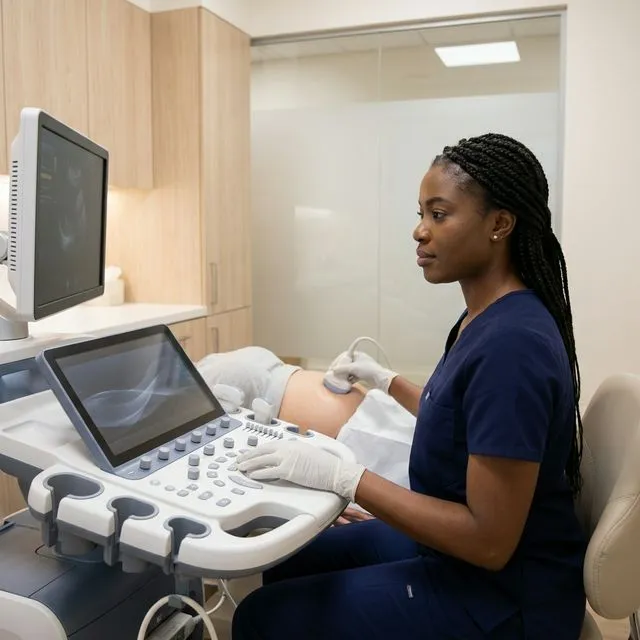
- Modern Ultrasound: We utilize high-resolution transvaginal ultrasounds natively to clearly examine the exact structure of the uterus and rule out cysts, polyps, or fibroids.
- Semen Analysis: A complete structural and motility evaluation of the male partner’s sperm to strictly rule out male factor infertility.
- HSG (Hysterosalpingogram): A specialized localized X-ray test using dye safely designed to ensure the fallopian tubes are open and strictly not blocked by previous scar tissue.
Treatment Options
Once a direct and precise cause is identified, our specialists will firmly tailor a customized medical pathway for your family.
- Ovulation Induction: If irregular ovulation is the core issue, medications such as Clomid or Letrozole safely stimulate the ovaries natively to produce mature eggs predictably.
- IUI (Intrauterine Insemination): Often combined with ovulation drugs, this highly localized process places highly concentrated, washed sperm directly inside the uterus right at the precise time of ovulation.
- IVF (In Vitro Fertilization): For significantly blocked tubes, severe male factor infertility, or advanced maternal age, IVF Treatment offers the absolute highest statistical likelihood of success. By fertilizing the egg safely in our premium laboratories, we entirely bypass natural anatomical roadblocks.
The Emotional Impact of Secondary Infertility
We fundamentally recognize that secondary infertility brings a profound mental and emotional toll. It is entirely normal to feel a deep sense of guilt, frustration, or isolation. Patients frequently express the pain of seeing their current child grow up strictly without a sibling when that was never the original plan. Please know deeply that you are entirely not alone, and seeking clinical support is an empowering and proactive step toward mental healing.
Frequently Asked Questions
Is secondary infertility common in Nigeria?
Yes, it is extremely common. In fact, globally, secondary infertility accounts for almost 30% of all infertility cases. It is widely experienced across Nigeria but is simply discussed less publicly due to cultural stigma.
Can severe stress cause secondary infertility?
While stress itself does not medically cause infertility directly, severe chronic stress can severely disrupt the hypothalamus—the gland in the brain that strictly regulates your ovulation hormones—leading to delayed or completely missed cycles.
Can fibroids naturally cause difficulty conceiving a second time?
Absolutely. Fibroids inherently grow and adapt over time. While they may not have severely impacted your first natural pregnancy, new or enlarging fibroids can physically distort the uterine cavity, strictly preventing a new embryo from safely implanting.
Take the Next Step
You do not have to inherently navigate the confusing journey of secondary infertility alone. Our compassionate, internationally trained medical staff in Abuja is here precisely to provide you with clear answers and effective solutions. Contact us today to dynamically schedule your discreet fertility assessment and take control of your growing family's future.